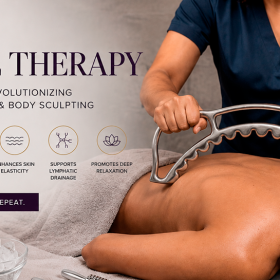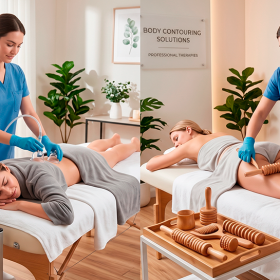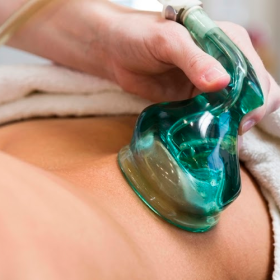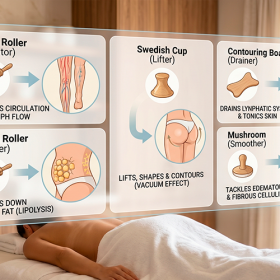

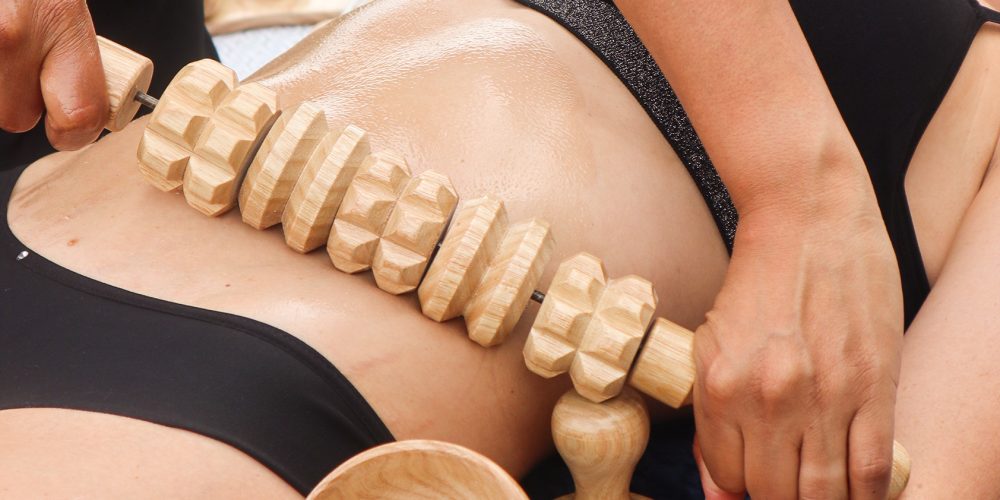
Wood therapy, or maderoterapia, has rapidly become one of the most sought-after non-invasive body contouring treatments in the beauty and wellness industry. Utilizing anatomically designed wooden instruments, estheticians can stimulate the lymphatic system, reduce the appearance of cellulite, and contour the body. However, delivering outstanding aesthetic results must always go hand-in-hand with strict client safety.
As a specialist in wood therapy, your responsibility extends far beyond mastering the physical technique. You must thoroughly understand the contraindications of wood therapy to protect your clients from adverse medical reactions and safeguard your spa business from liability.
In this comprehensive clinical guide, we will break down the absolute and relative contraindications, explain the expected physiological side effects of lymphatic drainage, and detail how to structure your consultation process to ensure every client receives safe, effective, and personalized care.
Before diving into the specifics, professionals must distinguish between a contraindication and a side effect:
By understanding both, you can accurately assess who is a candidate for body sculpting and properly educate your clients on what to expect during their recovery.
Absolute contraindications mean that under no circumstances should you perform a vigorous wood therapy massage on the client. Because wood therapy aggressively stimulates blood circulation and lymphatic flow, it can exacerbate severe systemic illnesses. You must screen for the following conditions:
Deep Vein Thrombosis is a serious condition where blood clots form in deep veins, typically in the legs. Vigorously massaging an area with a blood clot can dislodge it, causing it to travel through the bloodstream to the lungs (Pulmonary Embolism), which is a life-threatening medical emergency. Anyone with a history of DVT, severe varicose veins, or diagnosed clotting disorders must be medically cleared by a physician before receiving any type of vigorous bodywork. You can learn more about the risks associated with DVT from the Mayo Clinic.
If a client presents with a fever, flu, or an active bacterial or viral infection, their immune system is already overworked. Because wood therapy stimulates the lymphatic system—which acts as the body’s waste removal and immune network—a massage can push the infection deeper into the system, worsening the illness rather than helping it.
The lymphatic system relies entirely on the kidneys and the liver to filter and excrete the toxins, excess fluids, and broken-down fat cells mobilized during a wood therapy session. If a client suffers from renal failure or severe hepatic disease, their organs cannot handle the sudden influx of waste products. This can lead to dangerous fluid overload and systemic toxicity.
Because wood therapy directly impacts lymph nodes and lymphatic circulation, you must never perform the treatment on a patient with active cancer or those undergoing chemotherapy/radiation. Increasing lymphatic flow carries the theoretical risk of spreading malignant cells. Always require written medical clearance from an oncologist for clients with a history of cancer.
While gentle prenatal massages are safe, rigorous wood therapy designed for cellulite reduction and deep tissue contouring is strictly contraindicated during pregnancy. The aggressive pressure, especially around the abdomen, lower back, and pelvis, poses significant risks to both the mother and the developing fetus.
While the conditions listed above represent reasons not to treat a client, the following list encompasses the common, physiological side effects of a wood therapy massage. You must inform patients of these possible reactions during the consultation so they do not panic when they experience them.
There are several physiological reasons why a client may experience specific reactions after treatment. The vigorous manipulation of tissue and the rapid drainage of lymph through the lymphatic system forces the body to process a heavy load of metabolic waste, resulting in the following common symptoms:
The foundation of a safe esthetics practice begins before the client ever gets on the table. You must structure a rigorous consultation process.
Remember to fill out and sign the informed consent form with every new client. During this intake, you must clarify all doubts and ask the client to detail their entire medical history, including current medications, past surgeries, and underlying conditions.
An informed consent form legally protects your business by proving that you explained the procedure, the expected results, and all potential side effects and contraindications of wood therapy. If a client refuses to disclose their medical history or refuses to sign the consent form, you must decline to perform the service.
Not every client can handle the intensity of a standard body contouring session. If you are treating patients who have very sensitive skin, fibromyalgia, or a generally low tolerance to pain, you must adapt your clinical approach.
Do not push a sensitive client through a painful session, as this will cause them to tense their muscles, rendering the treatment ineffective and increasing the risk of severe bruising. Instead, you should reduce the time spent on each specific body section. To compensate for the reduced intensity, you should increase the frequency of the sessions (the intervals of the procedures) to achieve the desired contouring results.
You must explain this modified treatment plan at the time of the consultation. Be transparent that because you are using a gentler approach, they may require 10 to 12 sessions to see the same results another client might see in 6 sessions. Furthermore, ensure you are utilizing ergonomically perfect tools that glide smoothly without pinching the skin. Explore our collection of premium, anatomically designed wood therapy massage kits to ensure maximum client comfort.
To ensure your clients recover quickly, prolong the effects of the treatment, and minimize the uncomfortable side effects mentioned above, you must provide them with strict aftercare instructions.
Instruct your clients to:
Wood therapy is an incredibly powerful tool in the fight against localized fat and poor circulation. For an in-depth look at how these tools tackle specific aesthetic issues, review our comprehensive breakdown on anti-cellulite wood therapy.
However, delivering exceptional body sculpting results requires an unwavering commitment to client safety. By thoroughly understanding the contraindications of wood therapy, conducting rigorous consultations, and educating your clients on the expected physiological side effects, you build a foundation of trust. When clients feel safe and understood, they transform from one-time visitors into lifelong advocates for your spa business.
Learn about our products and promotions.